
Waking Up Wet Clay: How to Prep PNW Soil for Spring
A quick note from Jordan: Some of the tools and supplies I link to in these posts (like the ones bolded below) are Amazon affiliate links. If you buy through them, I earn a small commission at zero extra cost to you. It helps me keep Moss & Tomatoes running and allows me to keep writing these free, no-nonsense PNW gardening guides instead of burying the site in annoying popup ads. Thank you for the support!
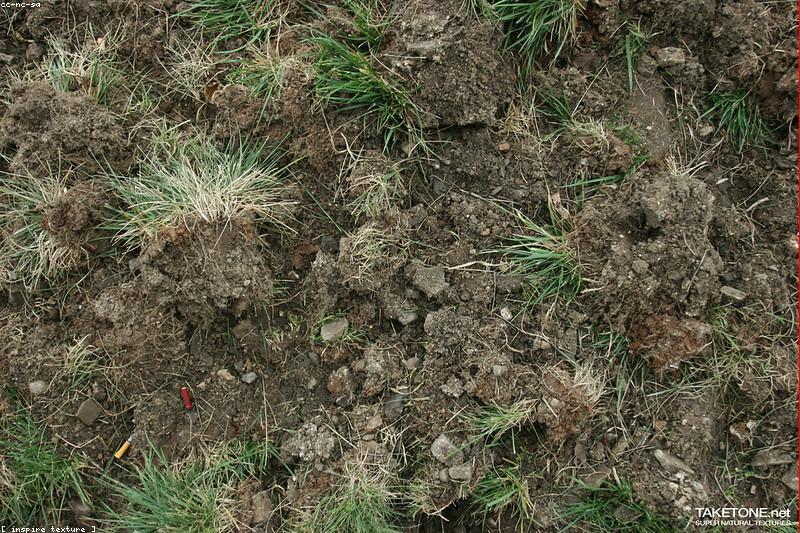
March in the Pacific Northwest is a massive tease. We usually get one or two sunny, 60-degree weekends that convince every gardener to rush outside, grab a shovel, and start turning over their garden beds.
Stop right there. If your garden is made of our native, heavy PNW clay, digging into it right now is the worst thing you could possibly do.
The Concrete Effect
Clay soil is made of incredibly fine, flat particles stacked tightly together. When it’s wet—which it has been since October—those particles are lubricated and heavy. If you take a tiller or a shovel to wet clay, you destroy the fragile air pockets (the soil structure). When the sun finally does come out in July, that chopped-up wet clay will bake into literal concrete. Your plant roots will suffocate, and water will just run off the top.
The Squeeze Test
Before you do any digging, take a handful of soil from your garden bed and squeeze it into a ball. Now, poke it with your finger. If it crumbles and falls apart, you have permission to dig. If it stays in a tight, sticky, muddy ball, put the shovel away. It is too wet.
How to Wake Up Wet Soil Safely
So, what do you do when you want to prep your beds but the soil is too wet? You use the “No-Till” method.
Instead of turning the soil over, gently insert a pitchfork or broadfork straight down and rock it back and forth an inch or two. This cracks the soil and lets air in without destroying the structure. Then, simply dump two inches of high-quality compost directly on top of the bed. The worms will do the tilling for you, pulling the compost down into the clay while you stay inside where it’s dry.