The 5 Best Native Pollinator Plants for a Damp Garden
The 5 Best Native Pollinator Plants for a Damp Garden
Welcome back to Moss & Tomatoes. If you garden in the Pacific Northwest, you know the drill. From November through May, our gardens aren’t so much plots of land as they are shallow, muddy lakes. You can fight it—digging endless French drains, building raised beds, and spending a small fortune on pumice to improve drainage—or you can lean into the squelch. I vote for leaning in. Nature already figured out what thrives in our damp, heavy clay soils, and the local bees, butterflies, and hummingbirds are desperately looking for those exact plants.
Creating a pollinator garden in a wet yard doesn’t mean settling for a swamp of sad, rotting roots. By choosing native Pacific Northwest plants that actively enjoy having wet feet, you can build a thriving ecosystem that turns your boggiest corner into a buzzing, vibrant sanctuary. The secret is matching the right plant to the right puddle.
If you’re tired of watching expensive nursery perennials drown in the winter rains, it’s time to switch tactics. Here are the five best native pollinator plants that will happily drink up the deluge and bring life to your damp PNW garden.
1. Salmonberry (Rubus spectabilis)
Let’s start with the early shift. When the dark days of late winter are just beginning to break, and the rain is still coming down sideways, the Salmonberry is already hard at work. This robust native shrub bursts into bloom in early spring, producing stunning, vibrant magenta flowers that are an absolute lifeline for our earliest pollinators.
The timing is critical because the Rufous hummingbirds arrive on their coastal migration route just as the Salmonberry begins to bloom. If you want to support these tiny, aggressive aerial acrobats, this plant is non-negotiable. Queen bumblebees waking up from winter hibernation also rely heavily on Salmonberry nectar to build their early colonies.
In terms of placement, Salmonberry laughs in the face of soggy soil. It thrives in wet, shady ravines and along stream banks in the wild, making it perfect for the damp, partially shaded corners of your yard. Just give it room to spread, as it tends to form dense thickets—which conveniently provides excellent shelter for songbirds.
2. Douglas Spirea / Hardhack (Spiraea douglasii)
If you have an area of your yard that turns into a seasonal pond every winter, Douglas Spirea (often affectionately known as Hardhack) is your best friend. In the wild, you will find this plant dominating wetland edges and boggy meadows. It loves moisture so much that it can literally sit in standing water through the winter and still thrive.
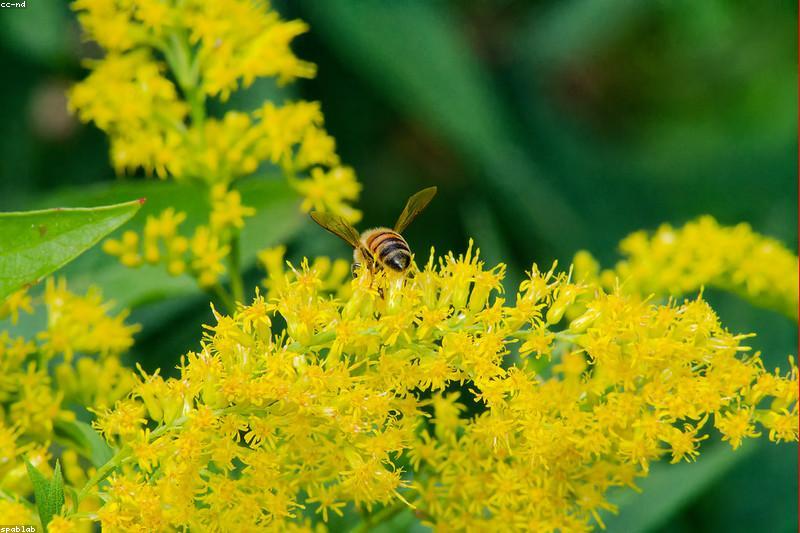
Come summer, when the ground finally begins to dry out, Douglas Spirea puts on a spectacular show. It sends up tall, striking, cone-shaped plumes of fuzzy pink flowers. These fuzzy spires act like a magnet for a massive variety of pollinators. You will see native bees, honeybees, hoverflies, and an array of butterflies absolutely covering the blooms on a sunny afternoon.
Because it spreads by underground rhizomes, it’s an excellent choice for stabilizing wet slopes or filling in large, muddy areas where nothing else seems to survive. It’s tough, resilient, and stunningly beautiful.
3. Red Osier Dogwood (Cornus sericea)
When we talk about pollinator plants, we often focus exclusively on the flowers, but the Red Osier Dogwood brings four seasons of interest to a damp garden. This large, fast-growing shrub is famous for its bright red winter stems, which look spectacular against a gray PNW sky or a rare blanket of snow.
But spring is when the Red Osier Dogwood really earns its keep in the pollinator garden. It produces flat-topped clusters of creamy white flowers that provide a massive feast of pollen and nectar. These floral clusters are perfectly structured for short-tongued native bees and beneficial insects like hoverflies (whose larvae voraciously eat aphids, acting as free pest control for your garden).
Like the Spirea, Red Osier Dogwood is perfectly adapted to winter inundation. It grows naturally in swamps and riparian zones. If you have a low spot that collects runoff from your gutters or driveway, plant a Red Osier Dogwood there and watch it thrive.
4. Henderson’s Checkermallow (Sidalcea hendersonii)
This is a slightly rarer gem, but absolutely worth hunting down at your local native plant nursery. Henderson’s Checkermallow looks like a delicate, refined miniature hollyhock, but don’t let its elegant appearance fool you. This plant is a tough native that naturally grows in coastal estuaries and tidal marshes.
It thrives in heavy, wet clay—the exact kind of soil that makes most gardeners weep. In mid-to-late summer, it sends up tall spikes of pale pink to deep rose-colored flowers. Because it blooms later in the season, it bridges the dreaded “summer slump” when many spring-blooming natives have already gone to seed.
The tall flower spikes are an absolute favorite of native bumblebees. Watching a heavy bumblebee cling to a delicate Checkermallow blossom is one of the distinct joys of the summer garden. It’s a fantastic herbaceous perennial for adding vertical interest to the wettest, sunniest spots in your yard.
5. Douglas Aster (Symphyotrichum subspicatum)
Every pollinator garden needs a strong late-season performer. When August rolls around and the garden is looking tired and crispy, the pollinators are still frantically trying to store up energy for the winter. This is where the Douglas Aster shines.
While many asters prefer well-drained soil, the Douglas Aster is incredibly adaptable and handles winter wet and heavy soils with grace. Starting in late summer and continuing well into the fall, it explodes with hundreds of small, daisy-like flowers boasting vibrant purple petals and bright yellow centers.
This late flush of nectar and pollen is critical. It feeds migrating butterflies, late-season bees, and provides the last big meal for local pollinator populations before the cold sets in. Plant it in a spot that stays relatively moist but gets good sunlight, and it will reward you with a cloud of purple blooms and buzzing activity when everything else is shutting down.
Embrace the Muck
Gardening in the Pacific Northwest means accepting that you can’t control the rain. But you can control how you respond to it. By planting Salmonberry, Douglas Spirea, Red Osier Dogwood, Henderson’s Checkermallow, and Douglas Aster, you aren’t just solving a landscaping problem. You are restoring a piece of the native ecosystem and providing vital habitat for the creatures that make our gardens come alive.
So put away the drainage pipes, grab your rubber boots, and start planting. The bees will thank you.