The 5 Best Tools for Breaking Hard PNW Clay

A quick note from Jordan: Some of the tools and supplies I review below are Amazon affiliate links. If you buy through them, I earn a small commission at zero extra cost to you. It helps me keep Moss & Tomatoes running and allows me to keep writing these free, no-nonsense PNW gardening guides instead of burying the site in annoying popup ads. Thank you for the support!
If you garden in the Pacific Northwest, your tools have to be built differently. A cheap trowel from a big box store will snap the second it hits our heavy, compacted, rain-soaked clay. If you are going to break ground here, you need forged steel, fiberglass, and tools that won’t rust away in the shed during a damp winter.
After breaking too many cheap tools to count, I have compiled the ultimate list of the 5 absolute best hand tools and shovels designed specifically to survive and thrive in hard PNW clay.
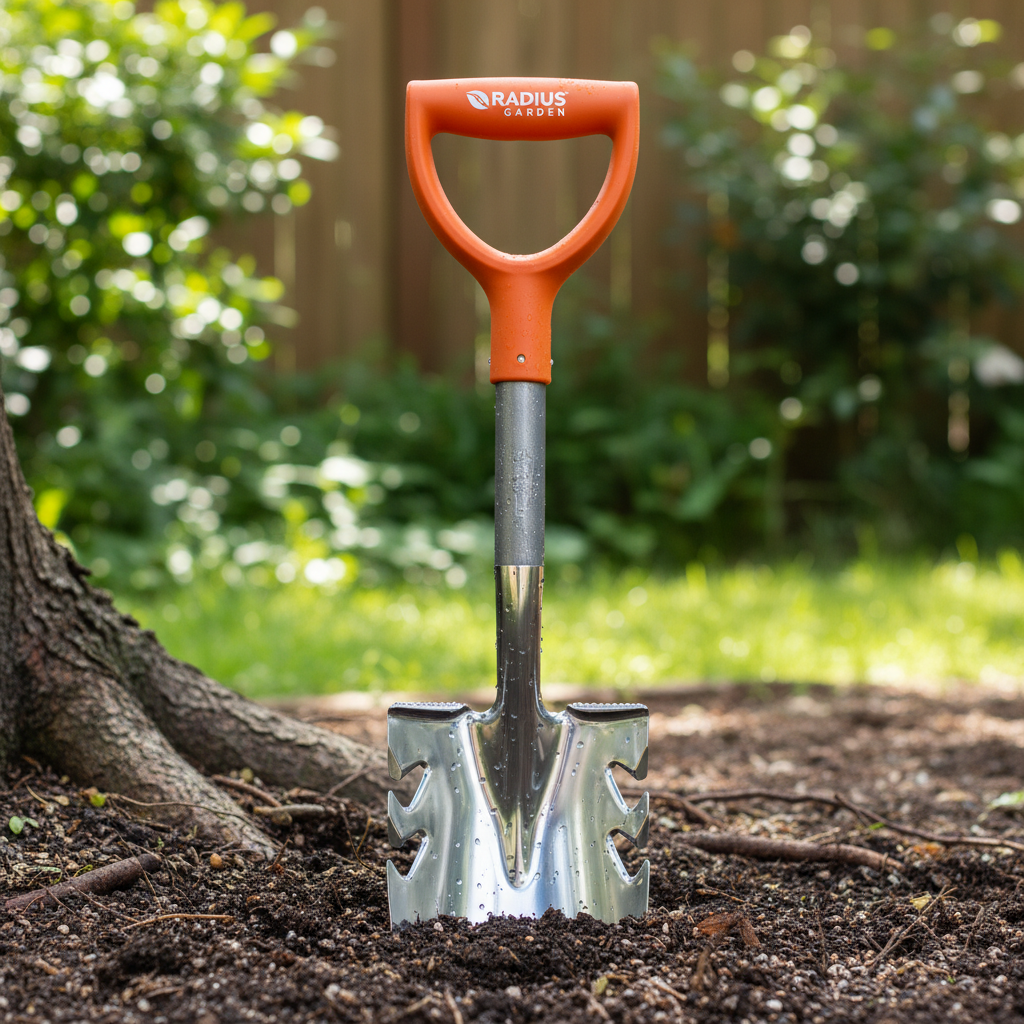
1. The Root Slayer Shovel (The Undisputed King of Clay)
When you are digging in native PNW soil, you aren’t just fighting clay—you are fighting the roots of every Douglas-fir, cedar, and invasive blackberry bush within a fifty-foot radius. The Root Slayer is not a normal shovel. It has a heavy-duty, V-shaped carbon steel blade with serrated edges on both sides.
- Pros: Slices through dense clay and thick tree roots like butter; completely eliminates the need for a separate hand saw.
- Cons: It is heavy. You will feel it after an hour of digging.
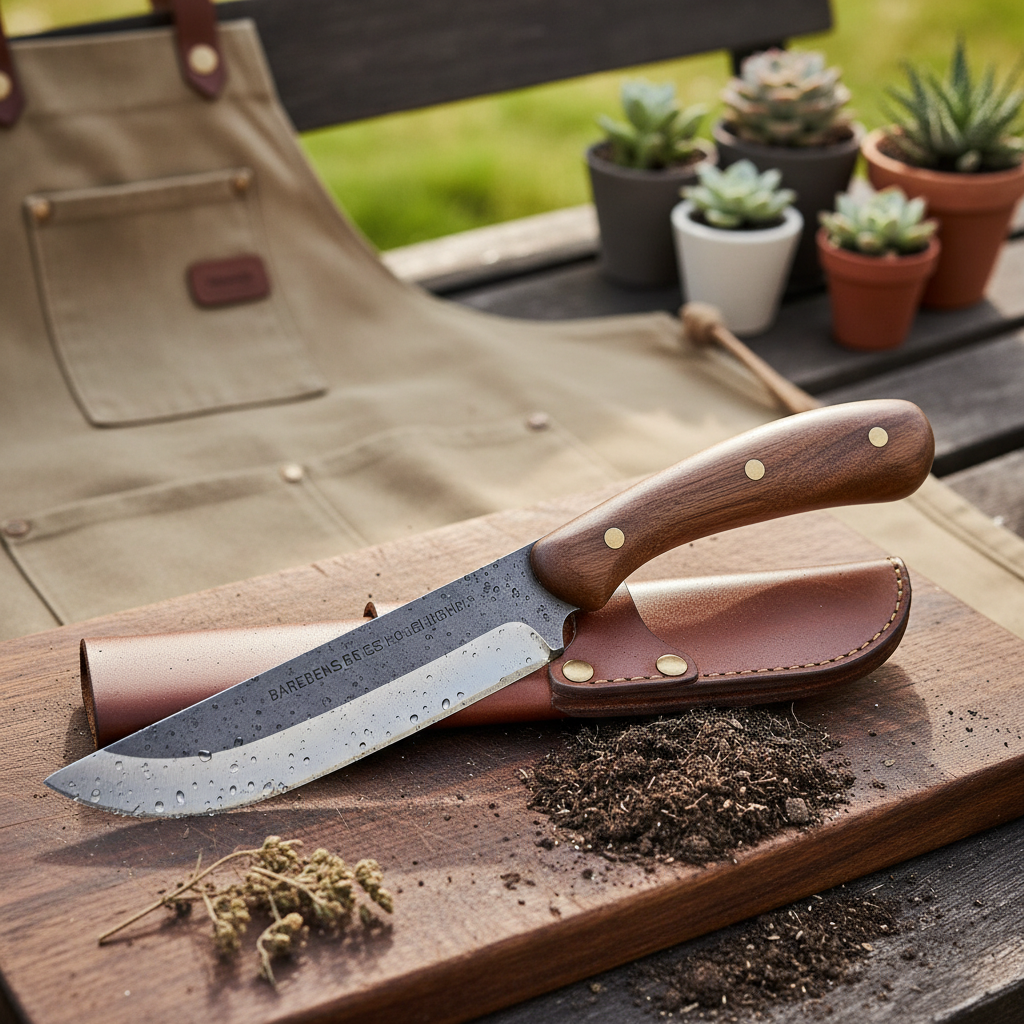
2. The Hori Hori Garden Knife (The Only Hand Tool You Need)
If you only buy one hand tool for the rest of your life, make it a Japanese Hori Hori knife. It is part trowel, part saw, and part measuring device. When you are trying to pry a stubborn dandelion taproot out of wet clay, a standard trowel will bend. A forged steel Hori Hori will pop it right out.
- Pros: Indestructible; serrated edge cuts through twine, roots, and tough soil; deeply marked inches on the blade make measuring seed depth perfect every time.
- Cons: The blade is sharp enough to cut you if you aren’t paying attention. Always use the sheath.
3. The Fiskars 4-Tine Forged Pitchfork (The Soil Aerator)
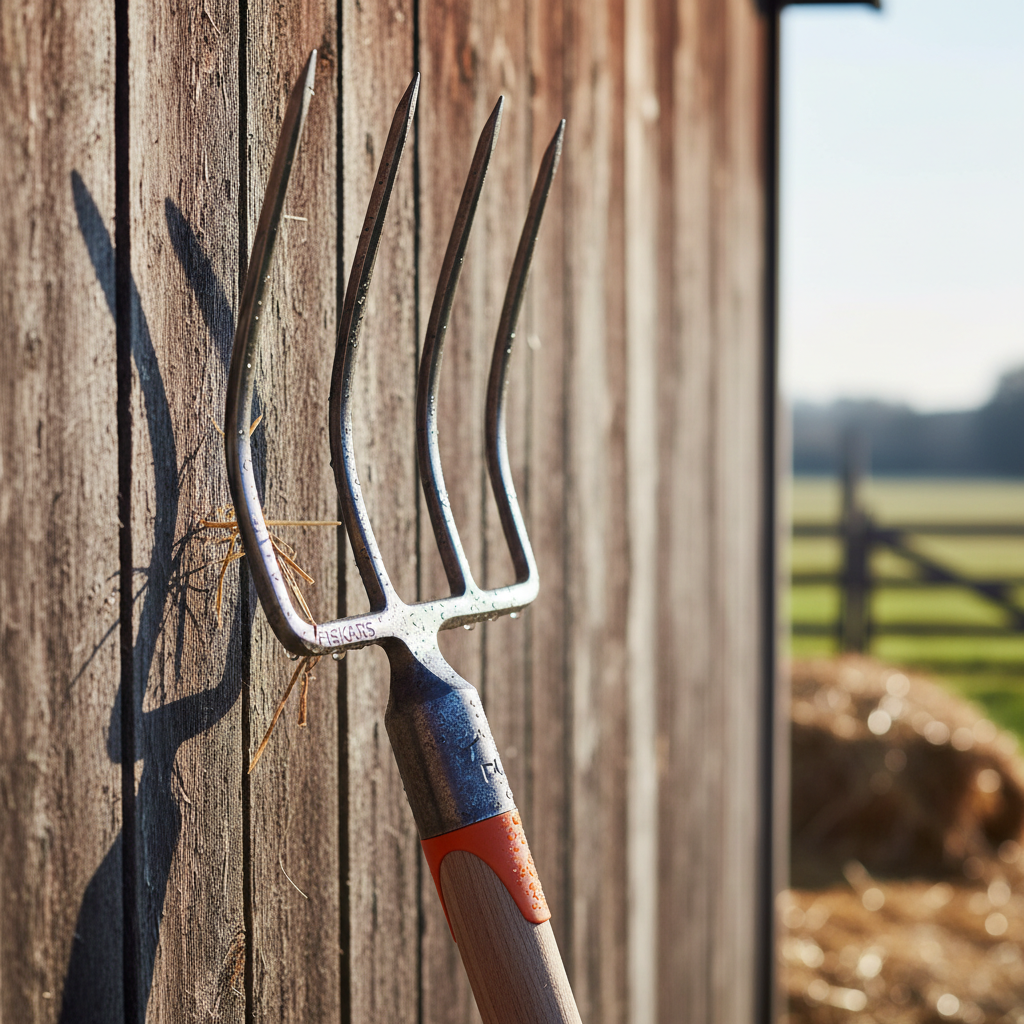
As I mentioned in my guide to waking up wet soil, tilling wet PNW clay is a cardinal sin. Instead, you need a pitchfork to gently crack the soil and aerate it. You cannot do this with a flimsy compost fork. You need forged, welded steel tines that will not bend when you put your entire body weight on them.
- Pros: Solid steel construction; tear-drop shaped shaft is incredibly ergonomic; lifetime warranty.
- Cons: The handle can get cold in the winter rain; wear gloves.
4. The Rogue Field Hoe (The Blackberry Buster)
If you are trying to reclaim an overgrown patch of your yard from invasive Himalayan blackberries or thick pasture grass, a standard garden hoe is useless. Rogue Hoes are famously made from recycled agricultural disc blades. They are shockingly sharp and hold an edge forever.
- Pros: Built like a tank; the heavy head does all the work for you when chopping down thick weeds.
- Cons: Overkill for light weeding in established raised beds.
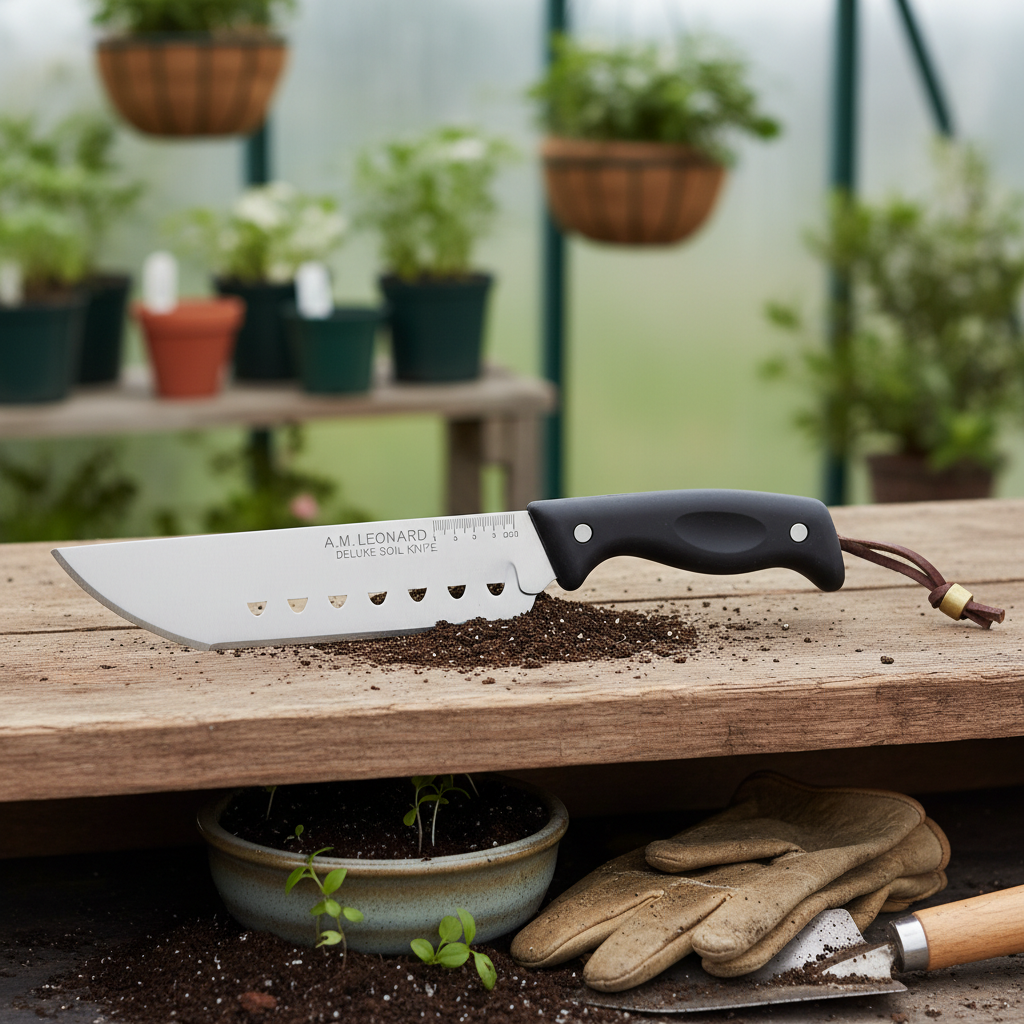
5. A.M. Leonard Deluxe Soil Knife (The Trowel Upgrade)
If the Hori Hori knife feels too aggressive for you, the A.M. Leonard Soil Knife is the perfect compromise. It has a wider blade than the Hori Hori, making it better for scooping potting soil or transplanting delicate seedlings, while still maintaining the structural integrity to pry rocks out of hard-packed earth.
- Pros: Bright orange handle means you will never lose it in the mud; composite handle is warmer than bare steel in the rain.
- Cons: Not quite as effective at sawing through thick roots as the Hori Hori.
The Bottom Line
Gardening in the Pacific Northwest requires resilience, and your tools should reflect that. Stop buying cheap aluminum trowels that bend the first time you hit a rock. Invest in forged steel, keep your edges sharp, and let the heavy tools do the work for you.