Gardening Under Douglas-Firs: The Dry Shade Dilemma
Conquering Dry Shade: A Master Guide to Gardening Under Douglas-Firs
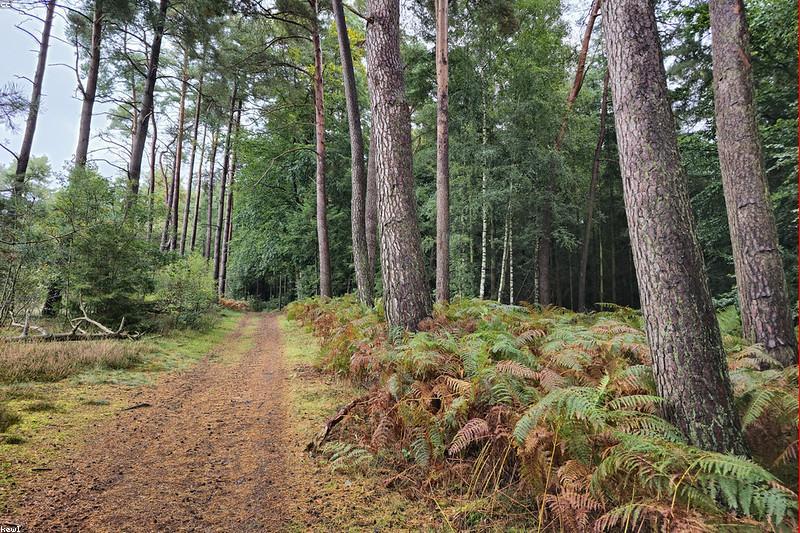
If you live in the Pacific Northwest, chances are you share your property with at least one towering Pseudotsuga menziesii—the iconic Douglas-fir. These gentle giants are the backbone of our regional ecosystem, providing habitat, shade, and a distinctively fragrant canopy. But for the ambitious gardener, they present one of the most notoriously difficult landscaping challenges in hardiness zones 7-9: the “dry shade” microclimate.
There is a persistent myth that gardening in the PNW means dealing exclusively with soggy, waterlogged soil. While that is true for winter clay, the environment beneath a mature Douglas-fir is functionally a desert. If you have been struggling to establish garden beds beneath these evergreens, you are not failing as a gardener. You are simply fighting against a master competitor.
Understanding the Douglas-Fir Microclimate
To successfully landscape under these trees, you must first understand the three distinct hurdles they create for understory plants.
1. The Umbrella Effect
Douglas-firs feature dense, evergreen canopies that act like giant umbrellas. During our legendary winter deluges, a significant percentage of rainfall never actually reaches the ground beneath the drip line; it is intercepted by the needles and evaporates. In the summer, when the PNW enters its seasonal drought (our “Junuary” notwithstanding), the soil beneath these trees becomes bone dry.
2. Fierce Root Competition
Unlike deep-taproot trees, Douglas-firs have expansive, relatively shallow root systems. These fibrous feeder roots are incredibly efficient at absorbing whatever moisture and nutrients manage to penetrate the soil. Any delicate perennial you plant here will be aggressively out-competed for resources.
3. Acidic Needle Drop
The continuous shedding of needles creates a thick, acidic duff layer. While this is fantastic mulch for acid-loving woodland natives, it will quickly stunt or kill standard nursery annuals and lime-loving vegetables.
Site Preparation: Do No Harm
The most common mistake homeowners make is trying to “fix” the area by bringing in a rototiller and dumping six inches of rich topsoil over the tree roots. Do not do this.
- No Tilling: Tilling will destroy the tree’s feeder roots, potentially destabilizing a massive tree right next to your home.
- No Heavy Topsoil: Dumping thick layers of heavy topsoil suffocates the root system. Douglas-firs need oxygen exchange at the soil surface.
- The Right Mulch: Instead of topsoil, carefully plant into the existing soil pockets between the large roots. Once planted, apply a 2-to-3-inch layer of arborist wood chips. This mimics the natural forest floor, suppresses weeds, and slowly feeds the soil web without suffocating the tree.
The Dry Shade Plant Palette: What Actually Survives
To succeed here, you must abandon the delicate English cottage garden aesthetic and lean heavily into robust PNW native woodland plants and resilient Asian shade adaptables. Here is a proven, high-performance plant palette for deep, dry shade:
The Evergreen Anchors
- Western Sword Fern (Polystichum munitum): The undisputed king of the PNW understory. Once established, it requires zero summer water, ignores the acidic soil, and provides lush, dark green structure year-round.
- Cascade Oregon Grape (Mahonia nervosa): A low-growing native that thrives in dry shade. It offers spiky, architectural foliage, bright yellow spring flowers for early pollinators, and dusty blue berries in the fall.
- Salal (Gaultheria shallon): Use with caution, as it can aggressively colonize, but if you have a massive, barren area under a fir, Salal will cover it in thick, leathery, evergreen foliage.
The Groundcovers and Accents
- Inside-Out Flower (Vancouveria hexandra): A delicate-looking but incredibly tough native groundcover that spreads via rhizomes. It produces airy sprays of tiny white flowers that look like shooting stars.
- Barrenwort (Epimedium spp.): Though not native to the PNW, Epimediums are the absolute champions of dry shade. They feature heart-shaped leaves that often emerge with stunning bronze or red margins, and tolerate root competition beautifully.
- Snowberry (Symphoricarpos albus): A deciduous native shrub that handles deep shade and produces striking, ghostly white berries that persist through the winter, providing excellent visual interest when the rest of the garden is dormant.
Establishment: The Critical First Two Years
There is a golden rule in PNW landscaping: “Drought-tolerant does not mean drought-tolerant on day one.”
Even the toughest native sword fern was grown in a pampered, heavily irrigated nursery pot. When you transplant it into the bone-dry soil beneath a Douglas-fir, it will experience profound shock. For the first two summers—specifically from July through September—you must provide deep, supplemental watering. Set up a simple drip irrigation line, or commit to hand-watering deeply twice a week. Once their root systems expand into the native soil (usually by year three), you can turn the water off and let the PNW ecosystem take over.
Embrace the Woodland Aesthetic
Gardening beneath a mature Douglas-fir requires a shift in mindset. You are not fighting nature; you are curating a piece of the Cascade forest. By respecting the microclimate, preserving the tree’s root health, and selecting plants that evolved for these exact conditions, you can transform a barren, dusty patch of needles into a serene, low-maintenance woodland oasis.
My Top Recommendation: For this type of work in the PNW, I highly recommend picking up a soaker hose to make the job easier.
A quick note from Jordan: Some of the tools and supplies I link to in these posts are Amazon affiliate links. If you buy through them, I earn a small commission at zero extra cost to you. It helps me keep Moss & Tomatoes running and allows me to keep writing these free, no-nonsense PNW gardening guides instead of burying the site in annoying popup ads. Thank you for the support!